From the Tank Log
A reference for the small, the shoaling,
and the quietly territorial.
Identification, husbandry, and water-chemistry guides for the freshwater fish you can actually keep — Cichlidae, Characidae, Poeciliidae, Siluriformes, and the rest of the families that live below the surface of the average home aquarium. Written by an ichthyologist with thirty years of planted-tank records.
By Family
Browse the families
Recently Added
From the tank log
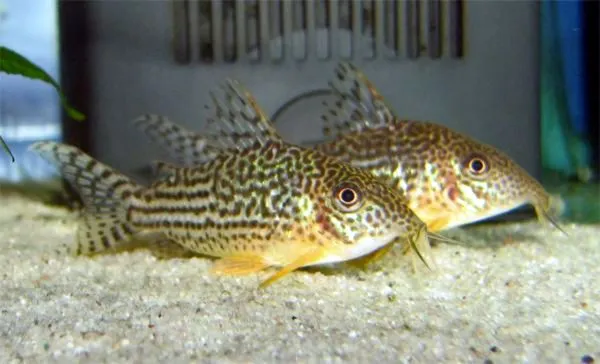
Why Is My Cory Catfish Gasping at the Surface?
Cory catfish gulp air naturally, but hanging at the surface can mean low oxygen, ammonia, heat, or medication stress. Use this triage checklist.
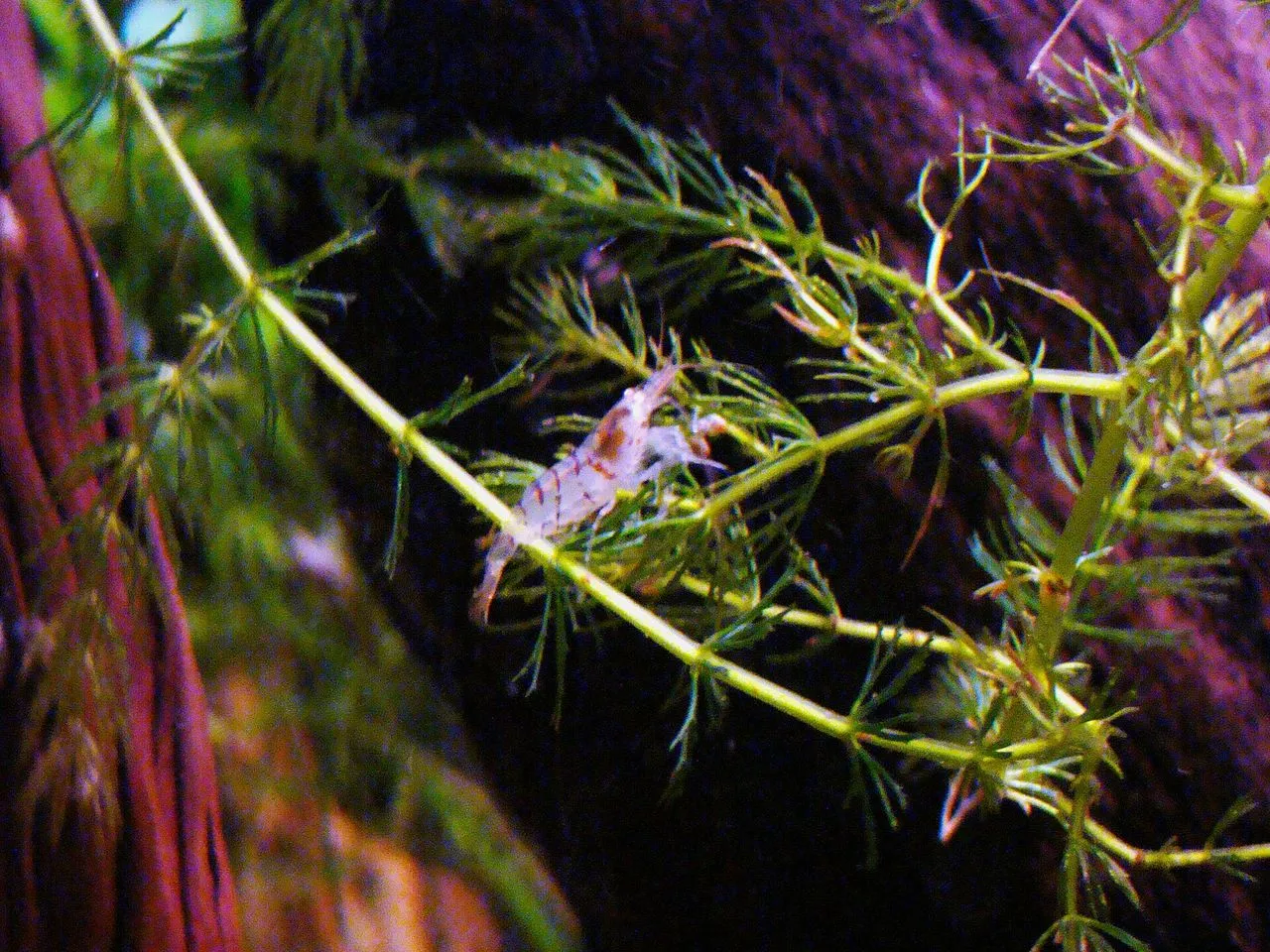
Amano Shrimp vs Nerite Snail for Algae
Compare Amano shrimp and nerite snails for algae control: what each eats, tank size, care needs, compatibility, and when using both is the best choice.
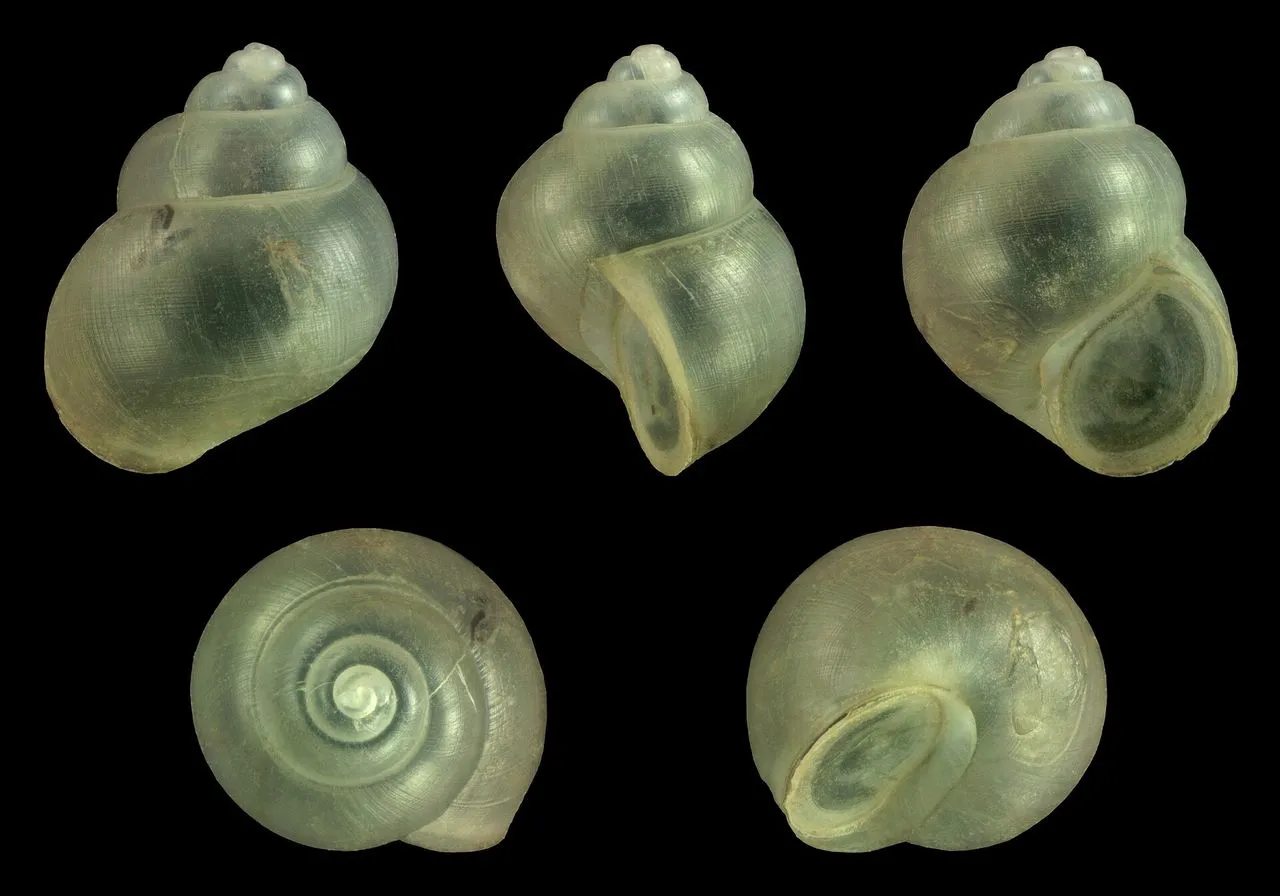
Why Is My Shrimp Dying After Molting?
Troubleshoot shrimp deaths after molting with GH, KH, TDS, calcium, copper, water-change shock, and stable tank fixes for Neocaridina and Caridina.
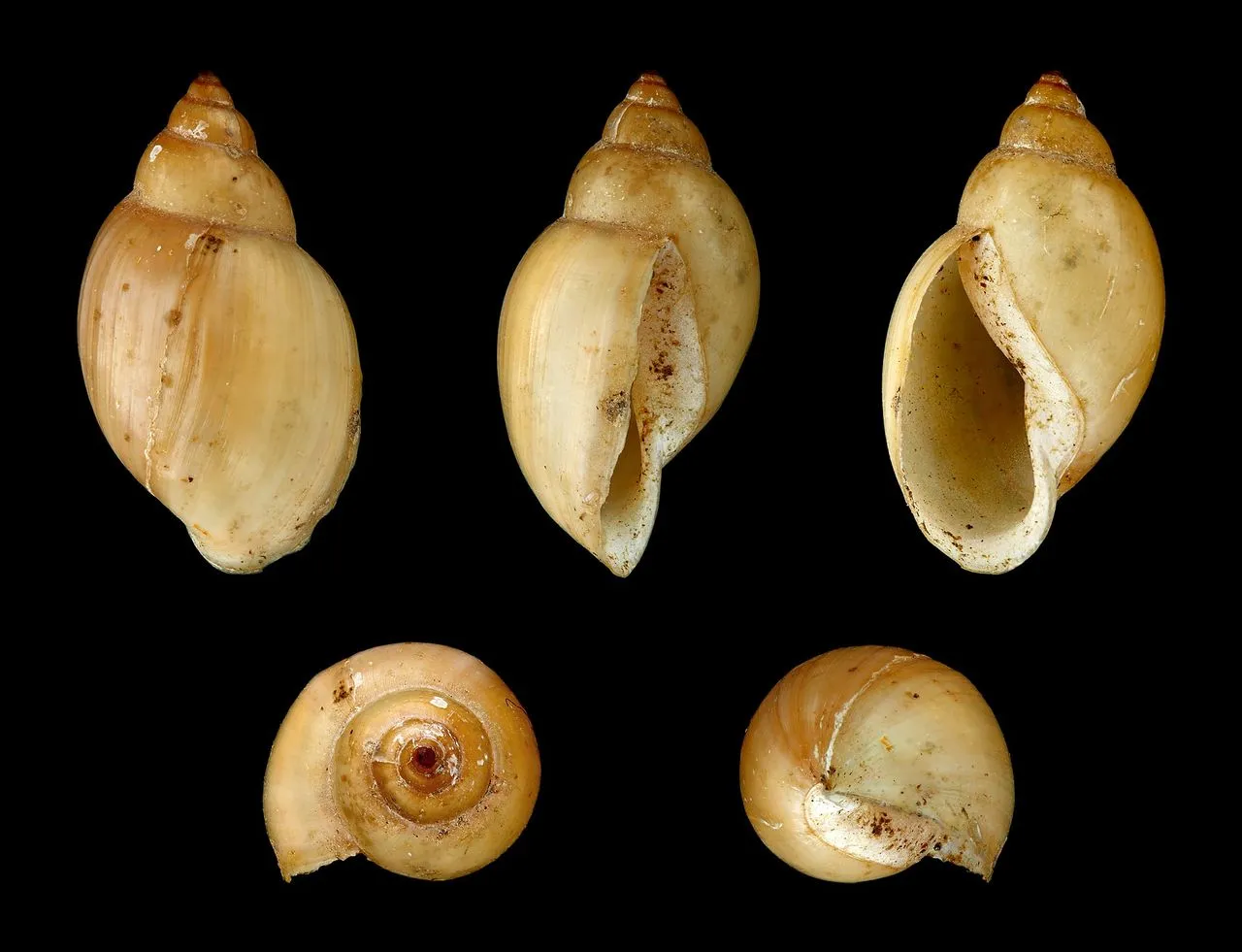
Why Are My Snails Climbing Out of the Tank?
Aquarium snails climb out because of poor water, low oxygen, unstable hardness, pests, or normal exploring. Learn what to test first and how to stop escapes.
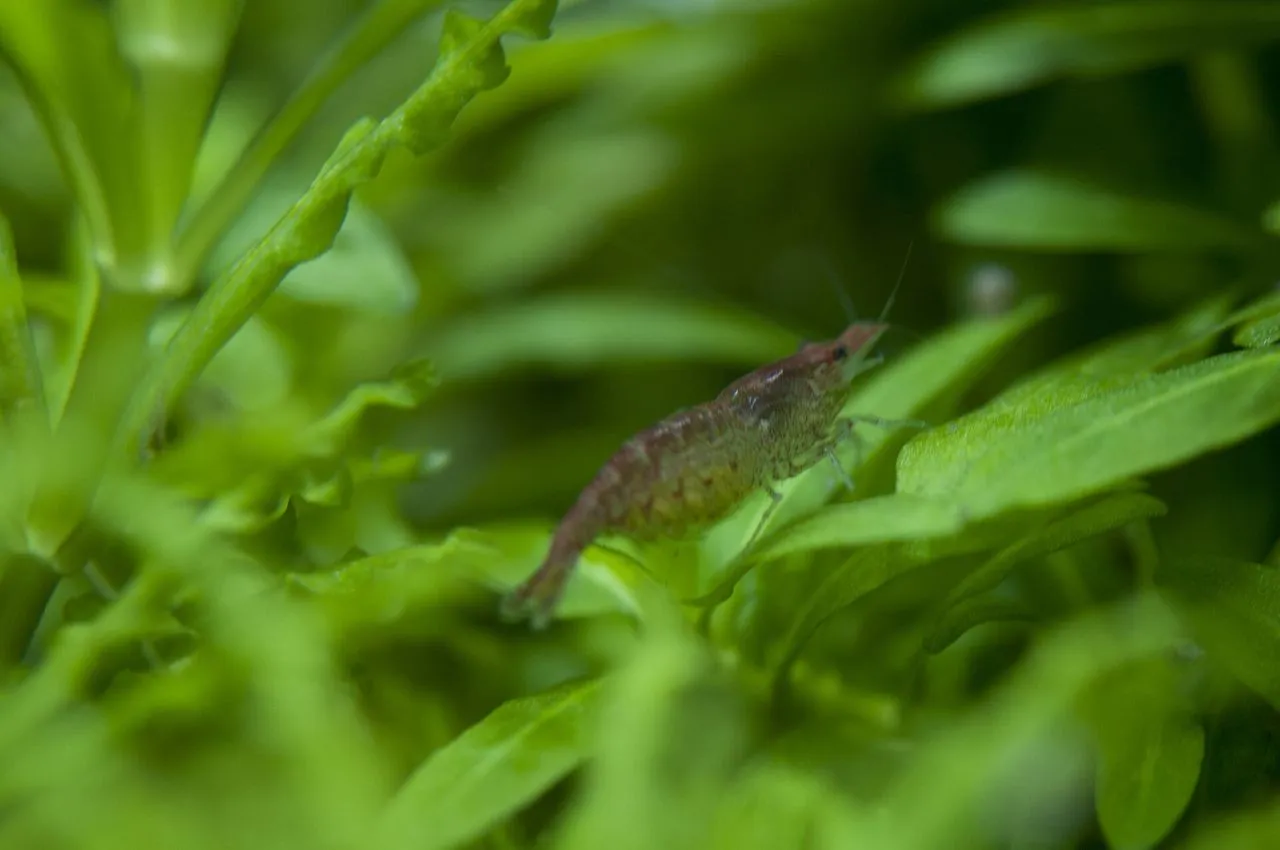
Why Aren't My Cherry Shrimp Breeding?
Cherry shrimp usually stop breeding because of unstable water, stress, too few females, poor cover, or missing food. Use this checklist before changing the tank.
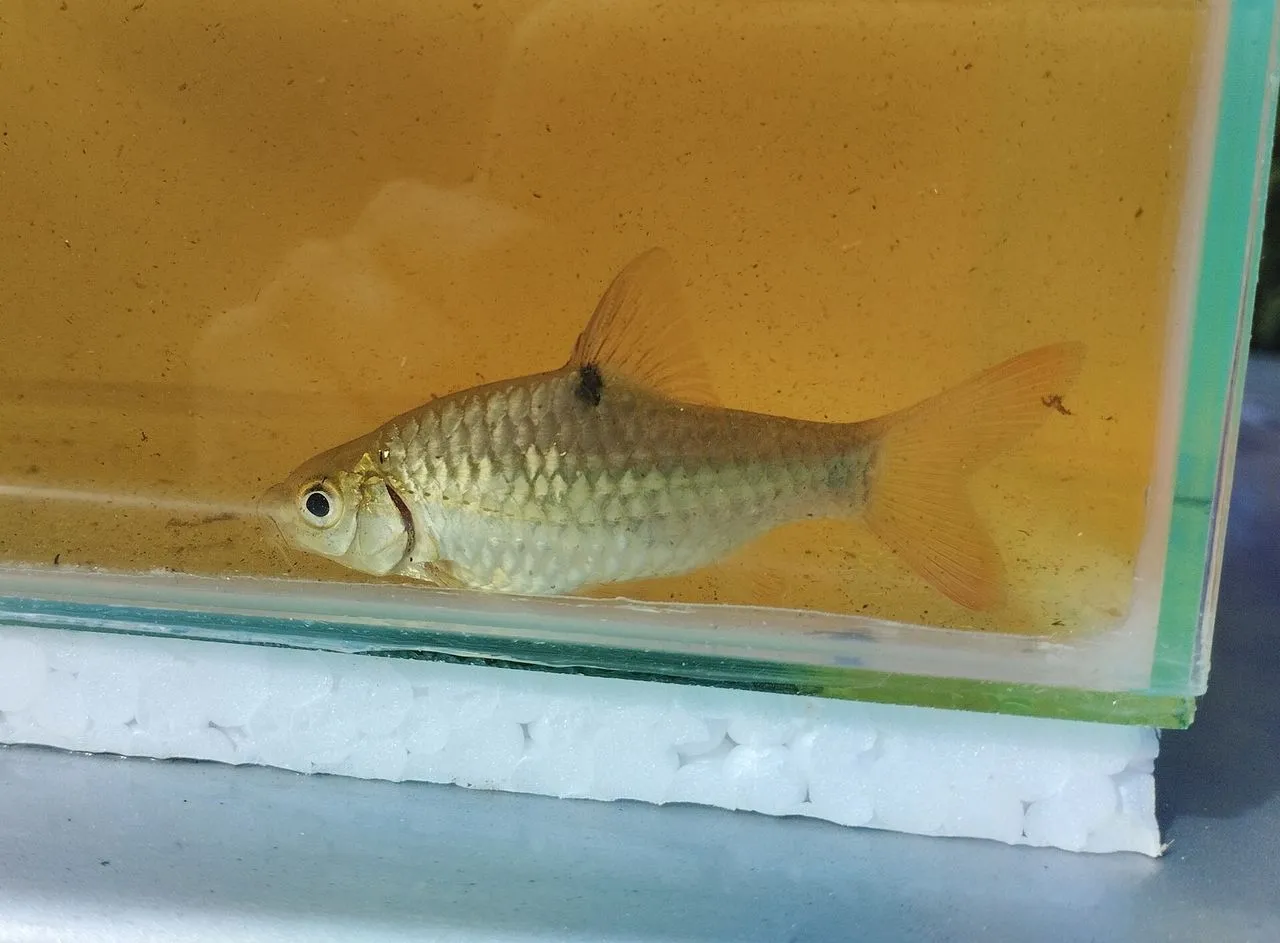
Why Are My Tiger Barbs Attacking Each Other?
Tiger barb aggression inside the shoal almost always means the group is too small. Here is how to identify the type of conflict, fix shoal size and sex ratio, and choose tankmates that do not attract nipping.
Why Is Black Beard Algae on My Plants?
Black beard algae usually points to unstable CO2, excess organics, or weak maintenance. Learn how to identify it, remove it safely, and stop regrowth.
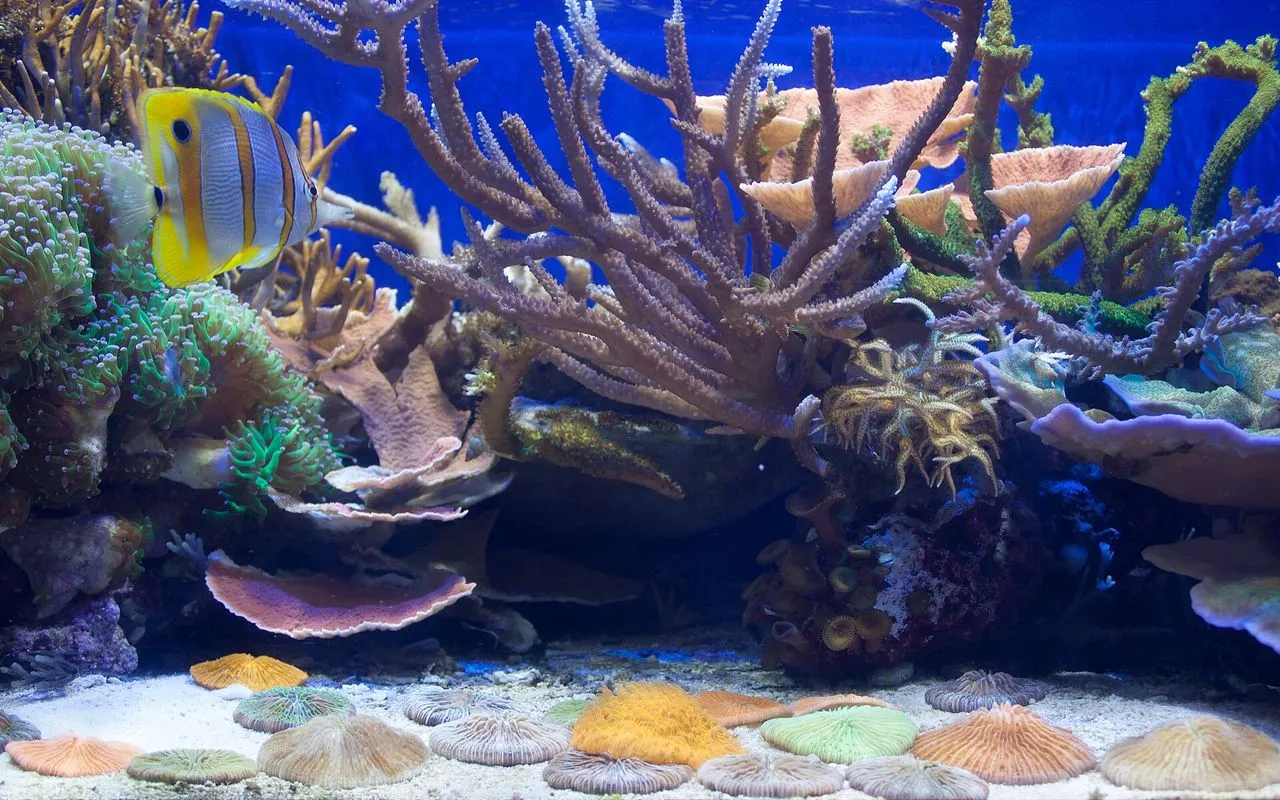
How to Prevent Fish Jumping Out
Stop fish jumping out with a tight lid, sealed cable gaps, calmer tank conditions, and species-specific checks for known jumpers like bettas, killifish, hatchetfish, and loaches.
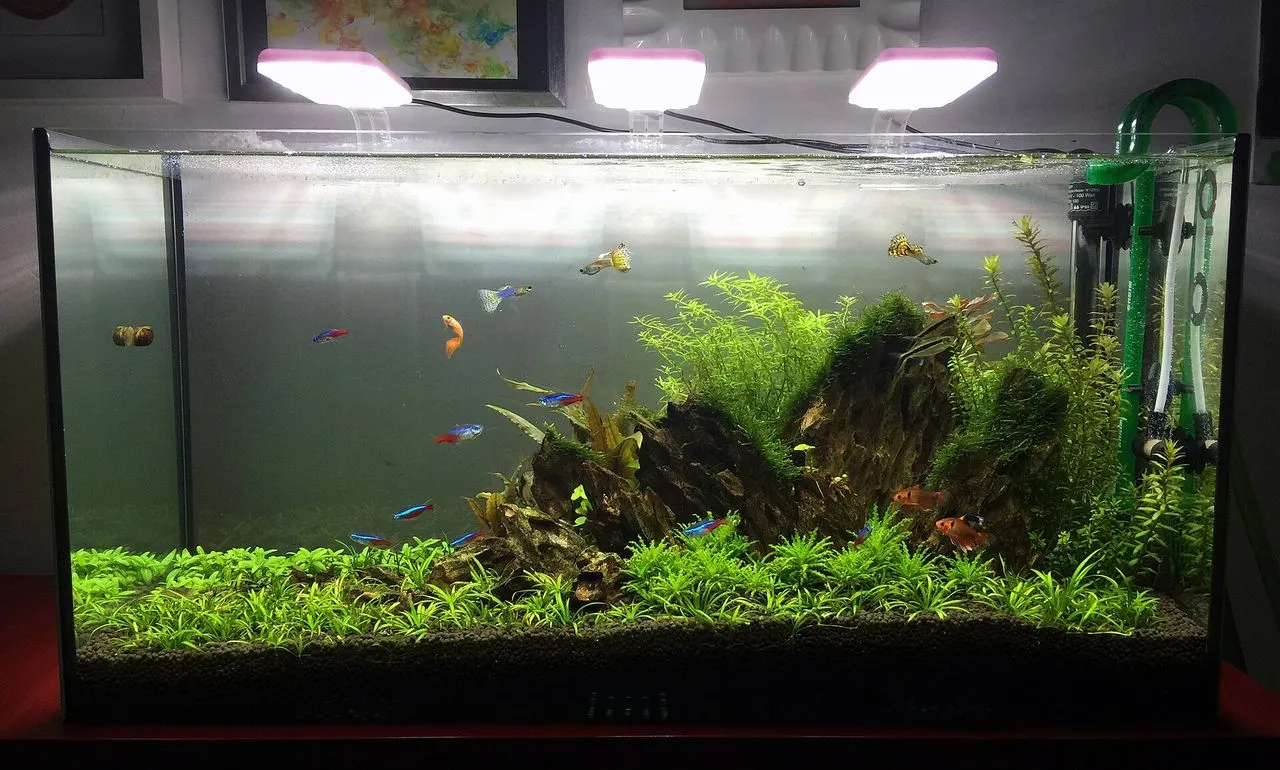
Why Won't My Fish Eat?
Feeding refusal in aquarium fish ranges from normal post-transport stress to early-stage disease. Covers ten causes, acute vs chronic timelines, and targeted fixes.
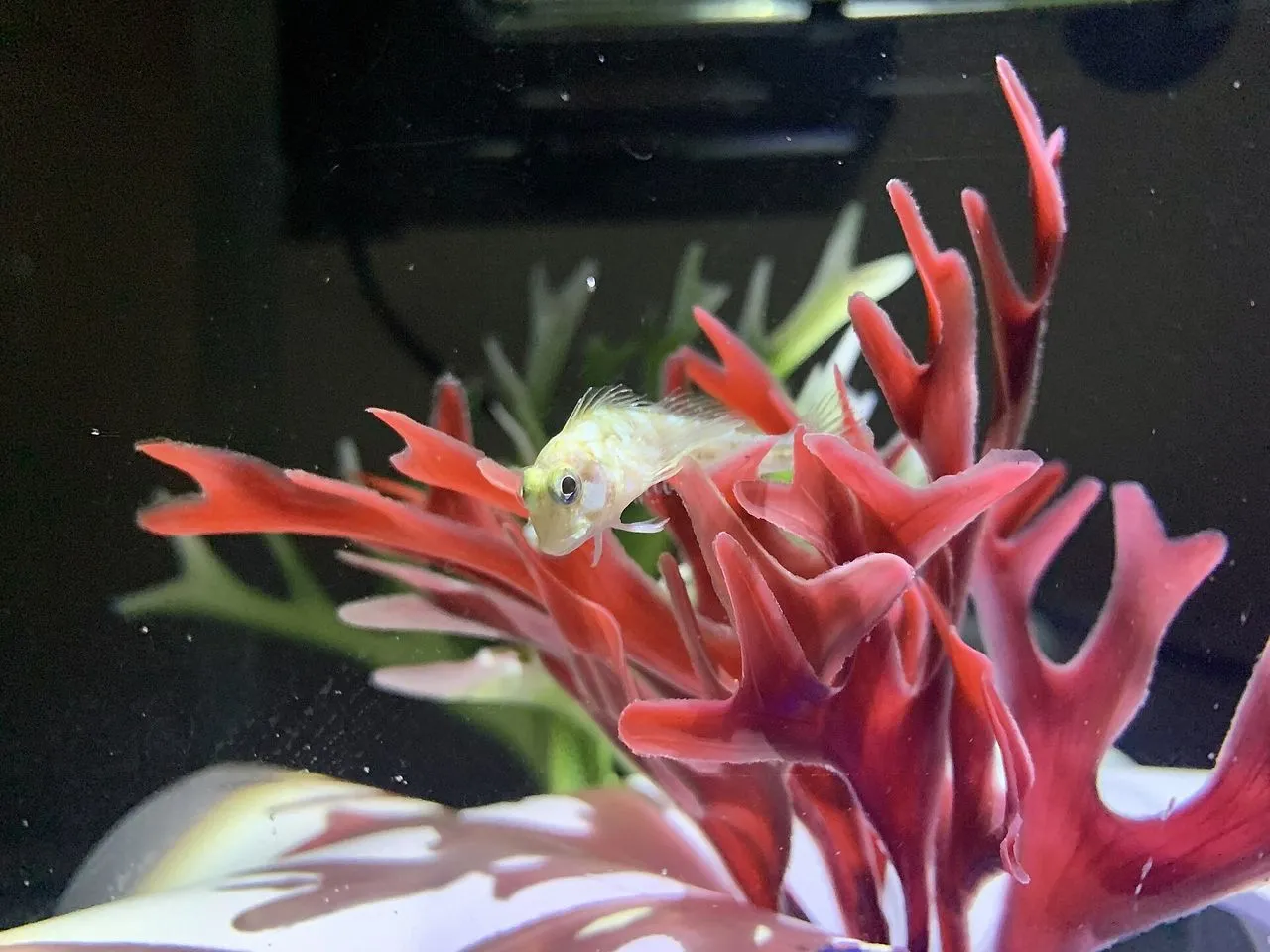
Why Is My Fish Swimming Sideways?
A fish swimming sideways signals anything from constipation in a fancy goldfish to terminal neurological collapse. Identify the presentation type and test water before attempting any treatment.
Why Won't My Aquarium Cycle?
A stuck aquarium cycle almost always traces to one of four chemistry problems: pH or KH too low, ammonia source wrong, temperature too cold, or something actively killing the bacteria. Identify which nitrogen step is stalled, then fix the root cause.
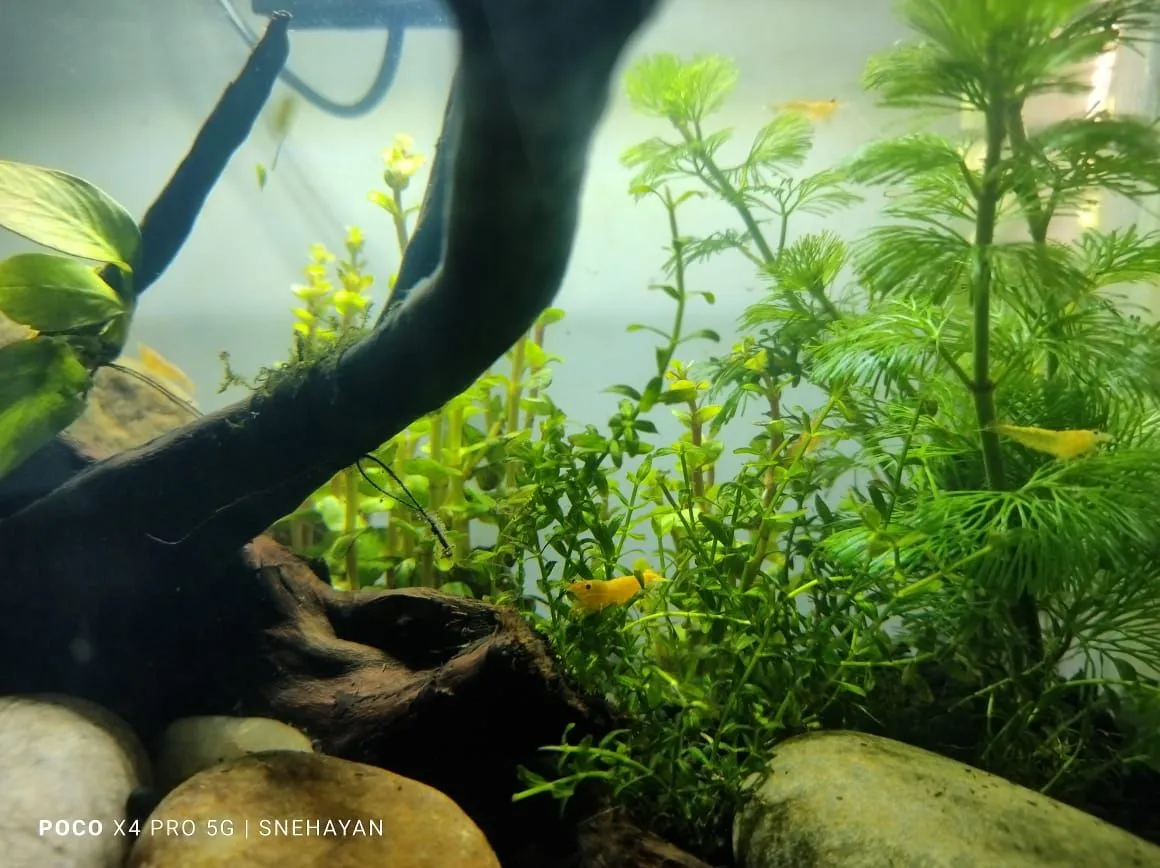
Why Are My Stem Plants Growing Leggy?
Leggy stem plants — long internodes, sparse leaves, stretched growth — are etiolation, a photoreceptor-driven response to insufficient PAR, wrong spectrum, or short photoperiod.
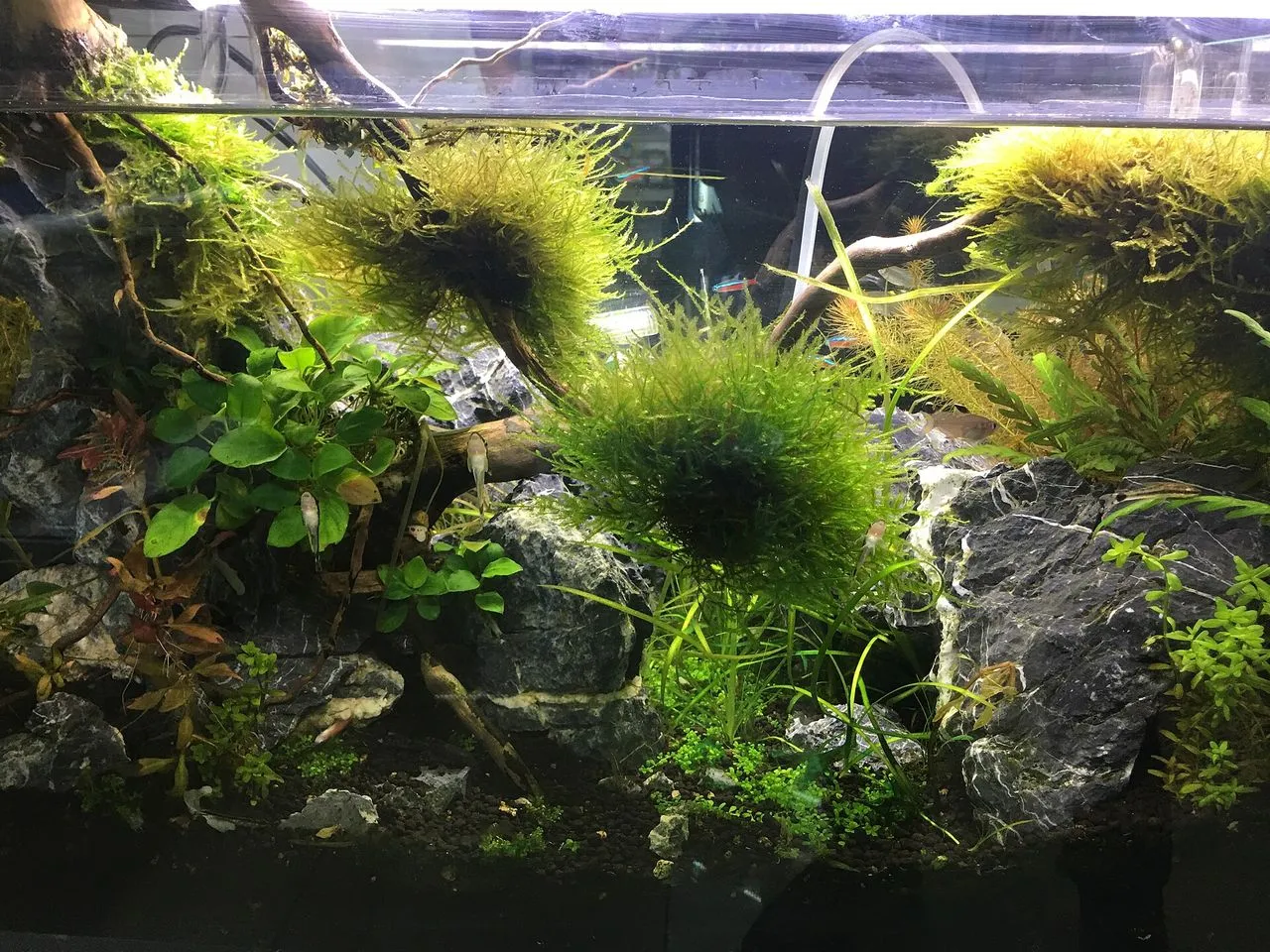
Why Is My Aquarium Water Yellow?
Yellow aquarium water is almost always tannin staining from driftwood or botanicals — harmless and often desirable — or dissolved organic carbon from infrequent maintenance, which is not.
Why Is My Fish Hiding All the Time?
Fish hiding in aquariums can signal stress, illness, aggression, or nothing at all — correct diagnosis turns on species, timing, and water chemistry. A triage guide for freshwater keepers.
Canister vs Sump for Large Aquariums
Canister filters and sump systems solve large-tank filtration differently. Canisters are sealed, proven, and hidden; sumps offer far greater media volume and easier maintenance for tanks above 400 litres.
Why Is My Aquarium pH Dropping?
Falling aquarium pH traces to KH exhaustion, heavy bioload, CO2 overdose, or skipped water changes. Identify the cause and fix it without pH-adjusting products.
How to Prevent Ich Outbreaks
Ich prevention works because *Ichthyophthirius multifiliis* has a brief free-swimming stage that must find a host within hours or die. Quarantine, stable temperature, and careful sourcing keep it out of the display.
Why Is My Fish Scratching on Decor?
Fish scratching on decor — called flashing or glancing — signals ectoparasites or water-chemistry irritation. Diagnose by accompanying signs, affected species, recent events, and a water test before medicating.
Why Does My New Aquarium Smell?
Aquarium smell is a diagnostic tool — rotten egg means hydrogen sulphide from anaerobic substrate (urgent); earthy or musty means cyanobacteria; fishy means dead matter or overfeeding; a sharp chemical edge means an uncycled tank with detectable ammonia.
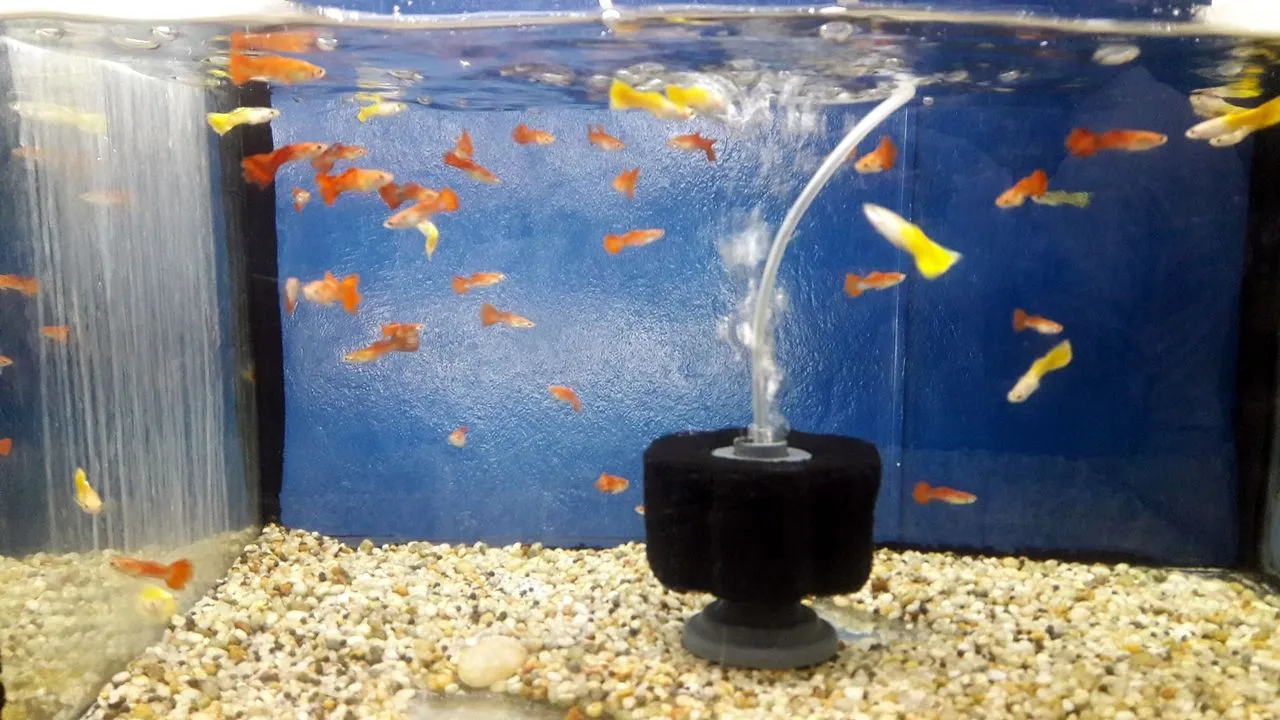
Why Are My Fish Jumping Out of the Tank?
Fish jumping out of the tank is either species-natural behaviour or an escape response to water-quality failure. Identifying which takes two minutes; not identifying it costs you a fish.
Why Is My Aquarium Water Suddenly Cold?
A sudden drop in aquarium temperature is a 24-hour emergency for tropical fish. Heater failure is the most common cause, but cold water changes, power outages, and room temperature drops all produce the same result.
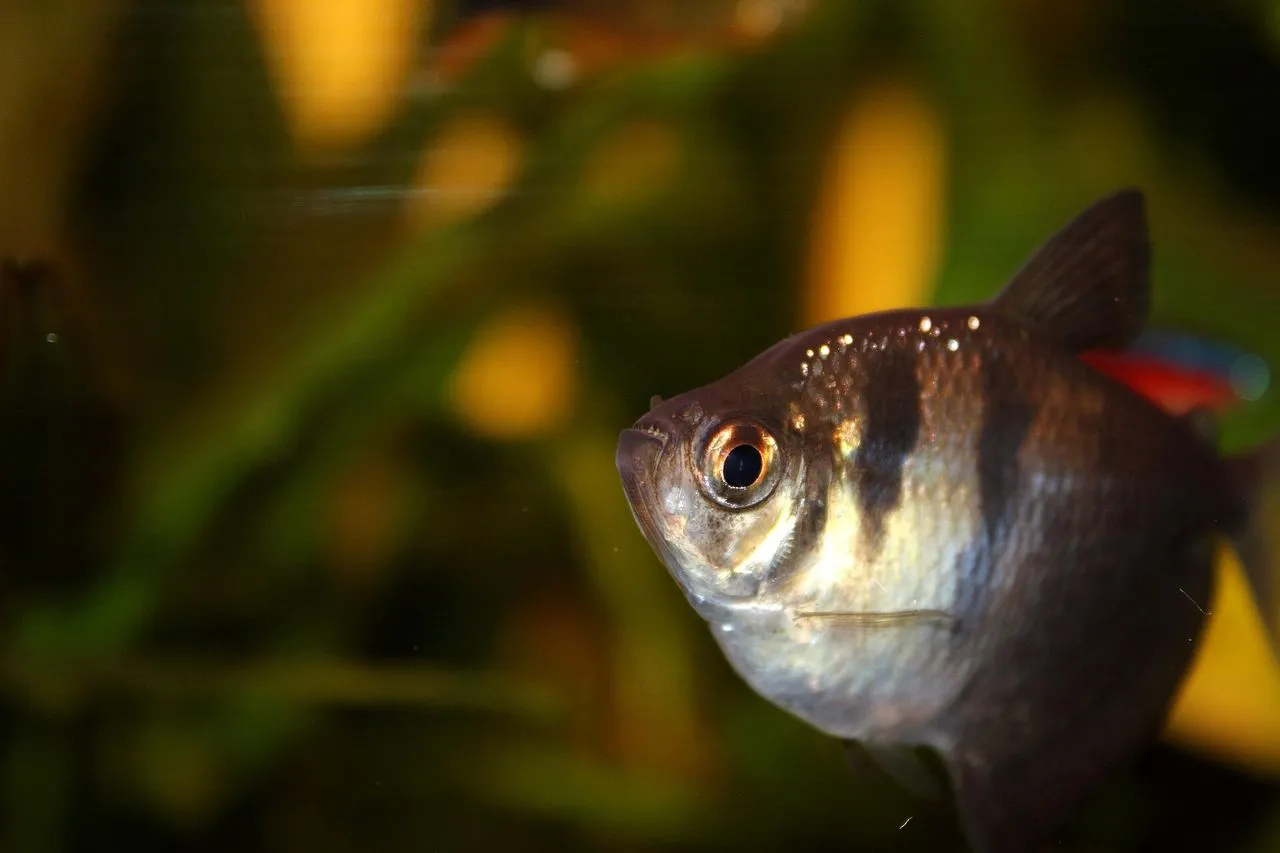
Why Are My Neon Tetras Dying One by One?
Neon tetras dying one by one usually signals Neon Tetra Disease, farm-bred line collapse, or chronic water-chemistry stress. Here is how to tell the difference and what to do.
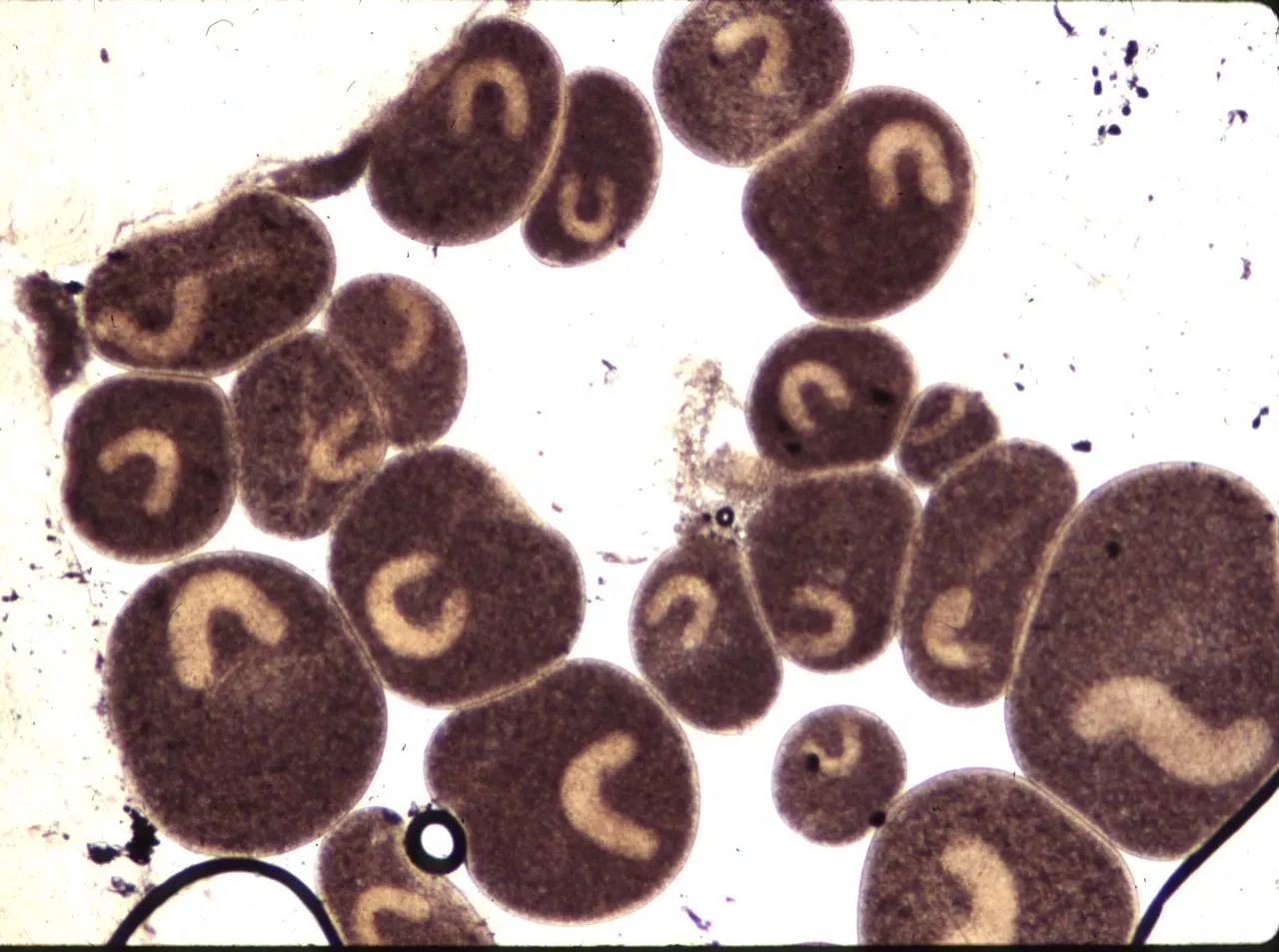
How to Prevent Ammonia Spikes in New Tanks
Ammonia spikes in new tanks are a setup problem, not bad luck. Completing the nitrogen cycle before stocking, seeding the filter with mature media, and adding fish slowly keeps ammonia at zero from day one.
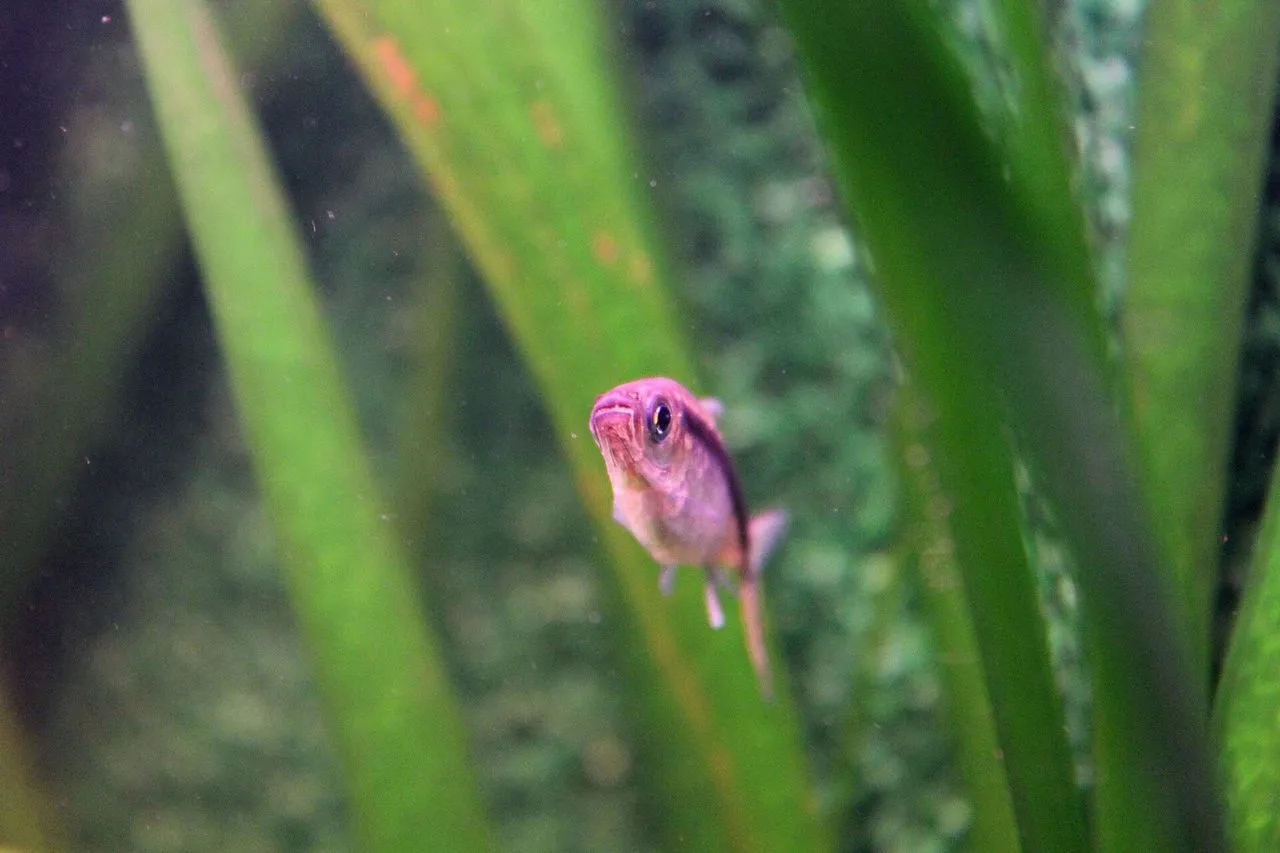
Cardinal Tetra vs Neon Tetra
Cardinal and neon tetras are routinely confused at the point of sale. They differ in colour pattern, hardiness, water requirements, and origin — this comparison settles which belongs in your tank.
Complete Guides
Pillars for every family
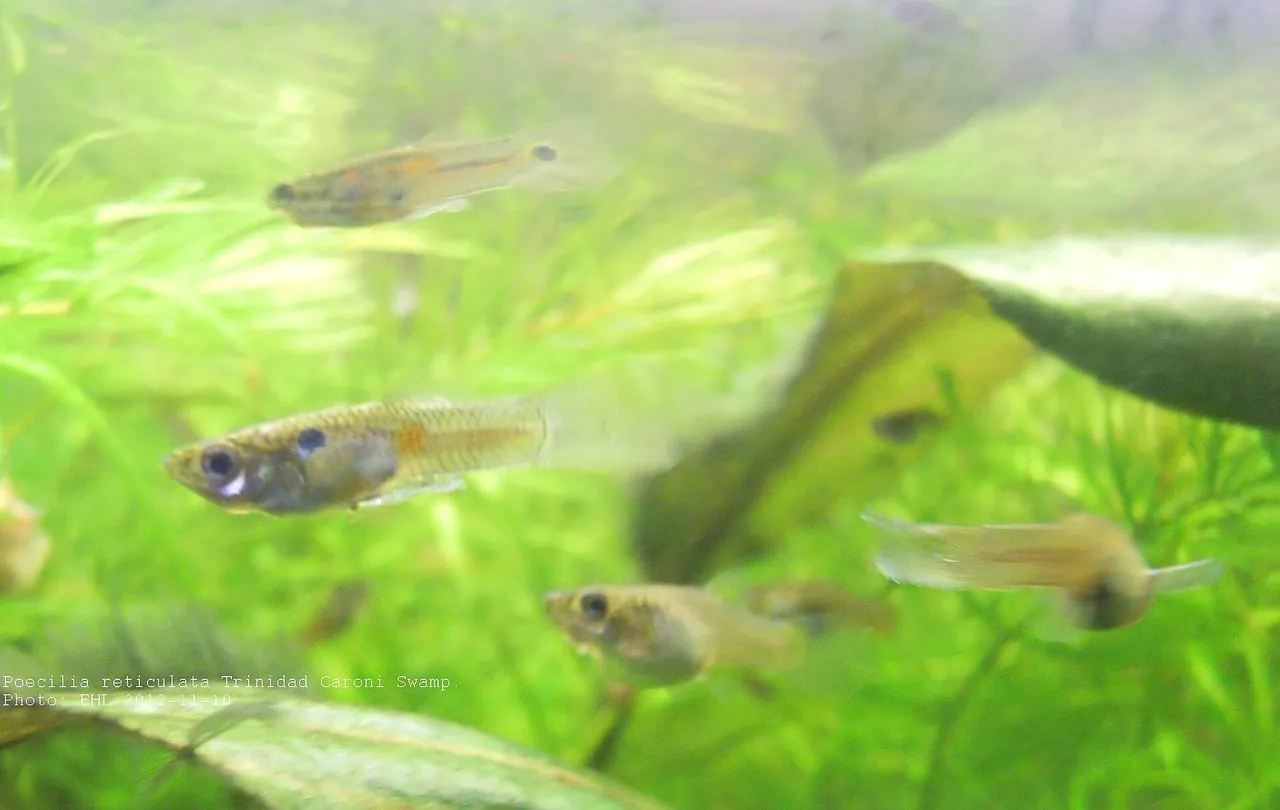
The Complete Livebearers Guide: Guppies, Mollies & More
Field reference to livebearing aquarium fishes: Poeciliidae biology, internal fertilisation, hard-water husbandry, hybridisation, disease.
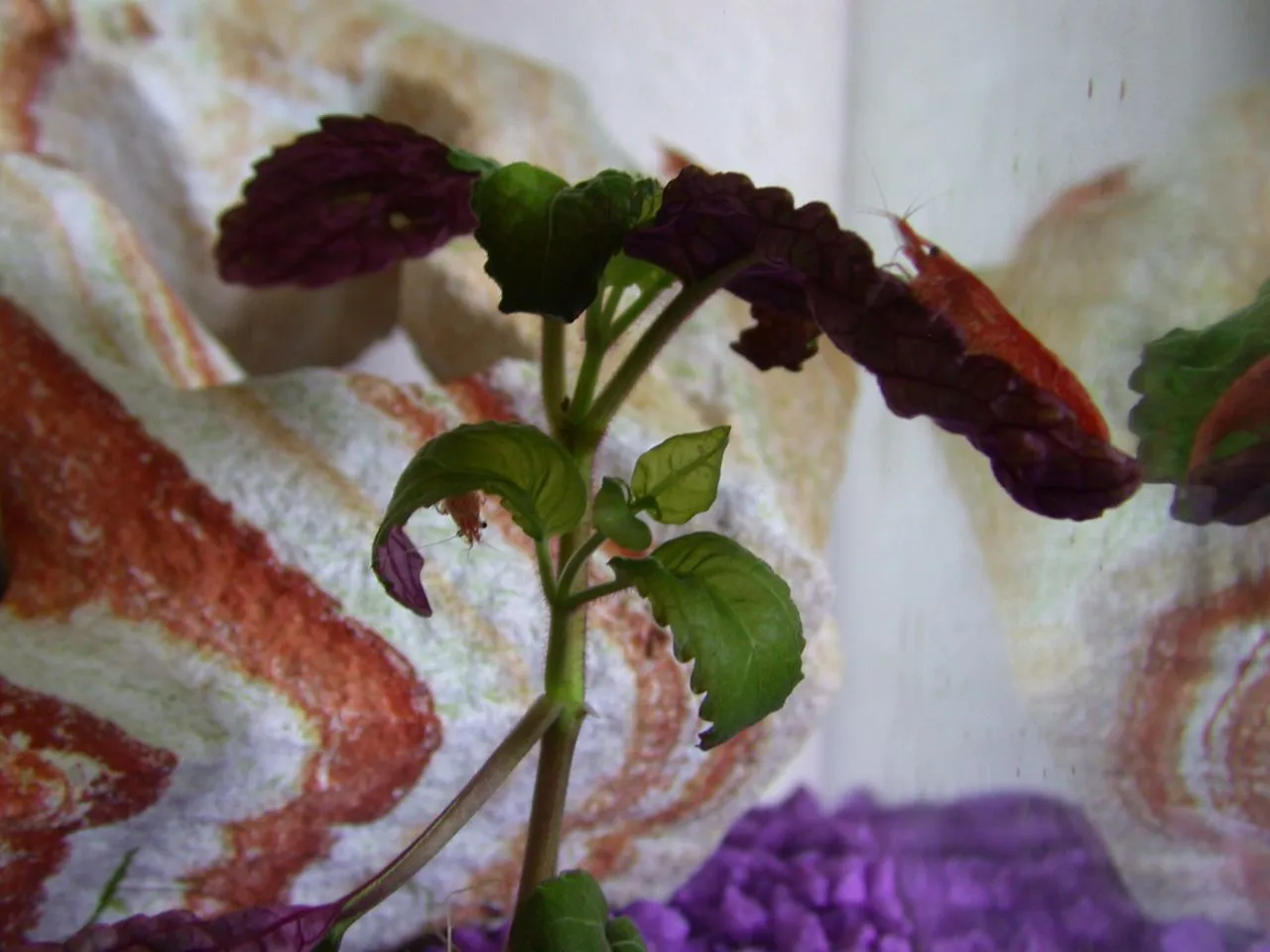
The Complete Shrimp & Snails Guide: Freshwater Invertebrates
Field reference to freshwater aquarium shrimp and snails: taxonomy, identification, water chemistry, moulting, copper sensitivity, bioload.
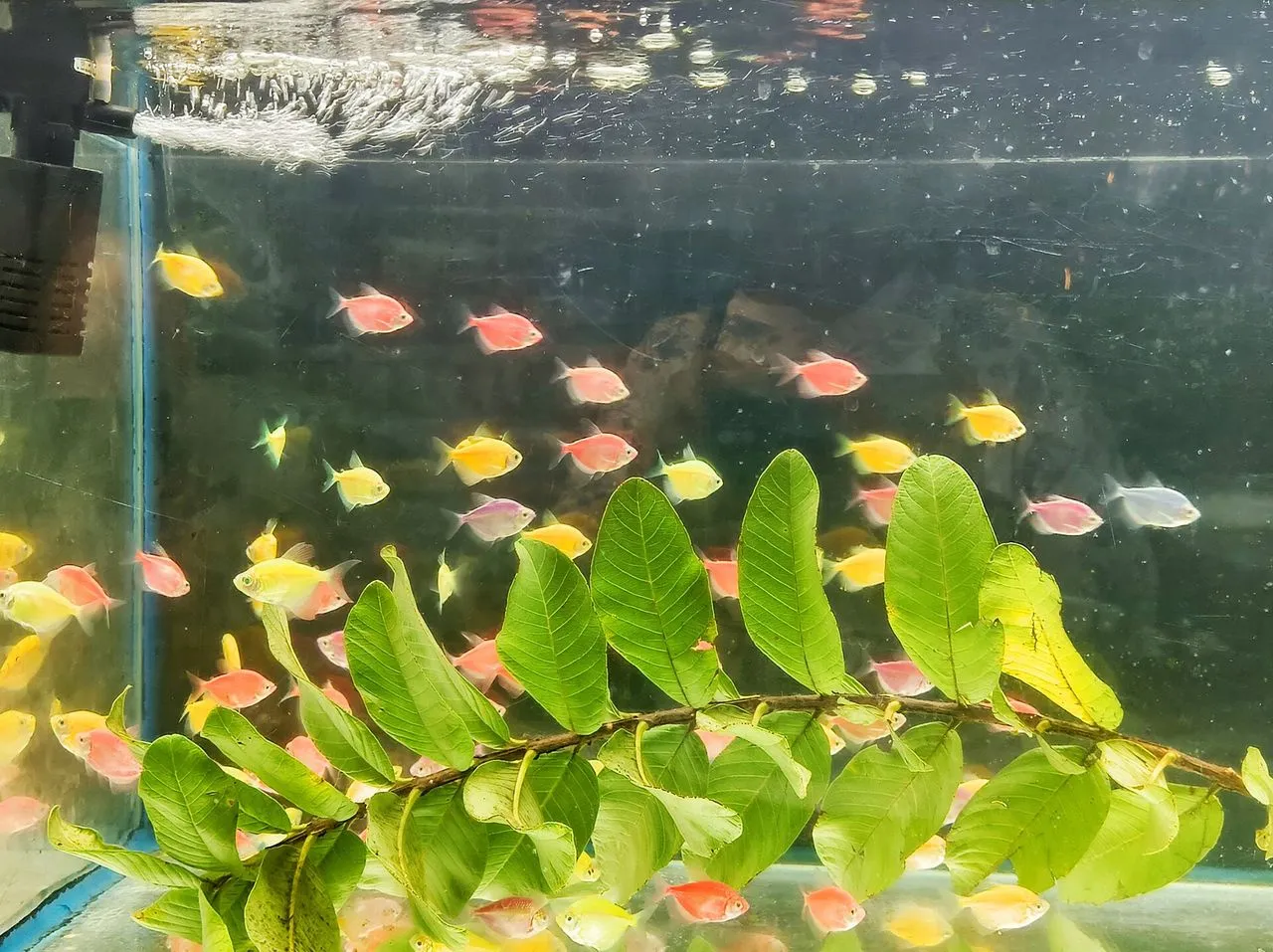
The Complete Tetras Guide (Characidae): Schooling & Care
Scientific and practical reference to aquarium tetras: taxonomy, identification, true schooling versus shoaling, blackwater chemistry, disease.
The Complete Aquarium Plants Guide: Low-Tech to CO2
Field reference to freshwater aquarium plants: growth forms, light and CO2 classes, substrate feeding, emersed transition, shop frauds.
The Complete Catfish Guide: Corydoras, Plecos & Synodontis
Field reference to Siluriformes in aquaria: corydoras, plecos, otocinclus, synodontis, glass catfish, pictus catfish, and practical husbandry.
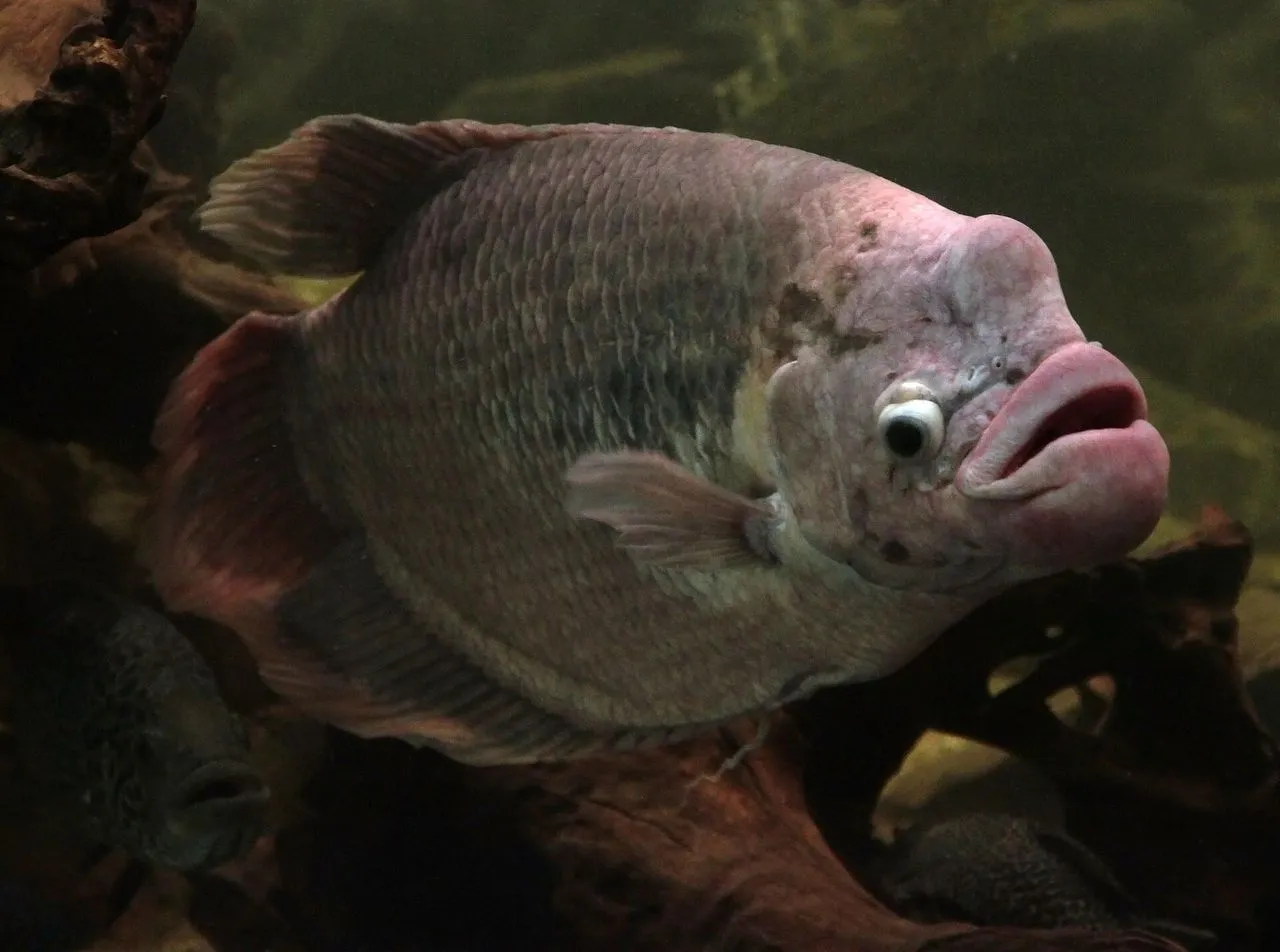
The Complete Gouramis & Bettas Guide: Labyrinth Fish Care
Reference guide to anabantoid labyrinth fishes: gourami and betta taxonomy, air-breathing anatomy, breeding modes, blackwater chemistry, and aquarium husbandry.
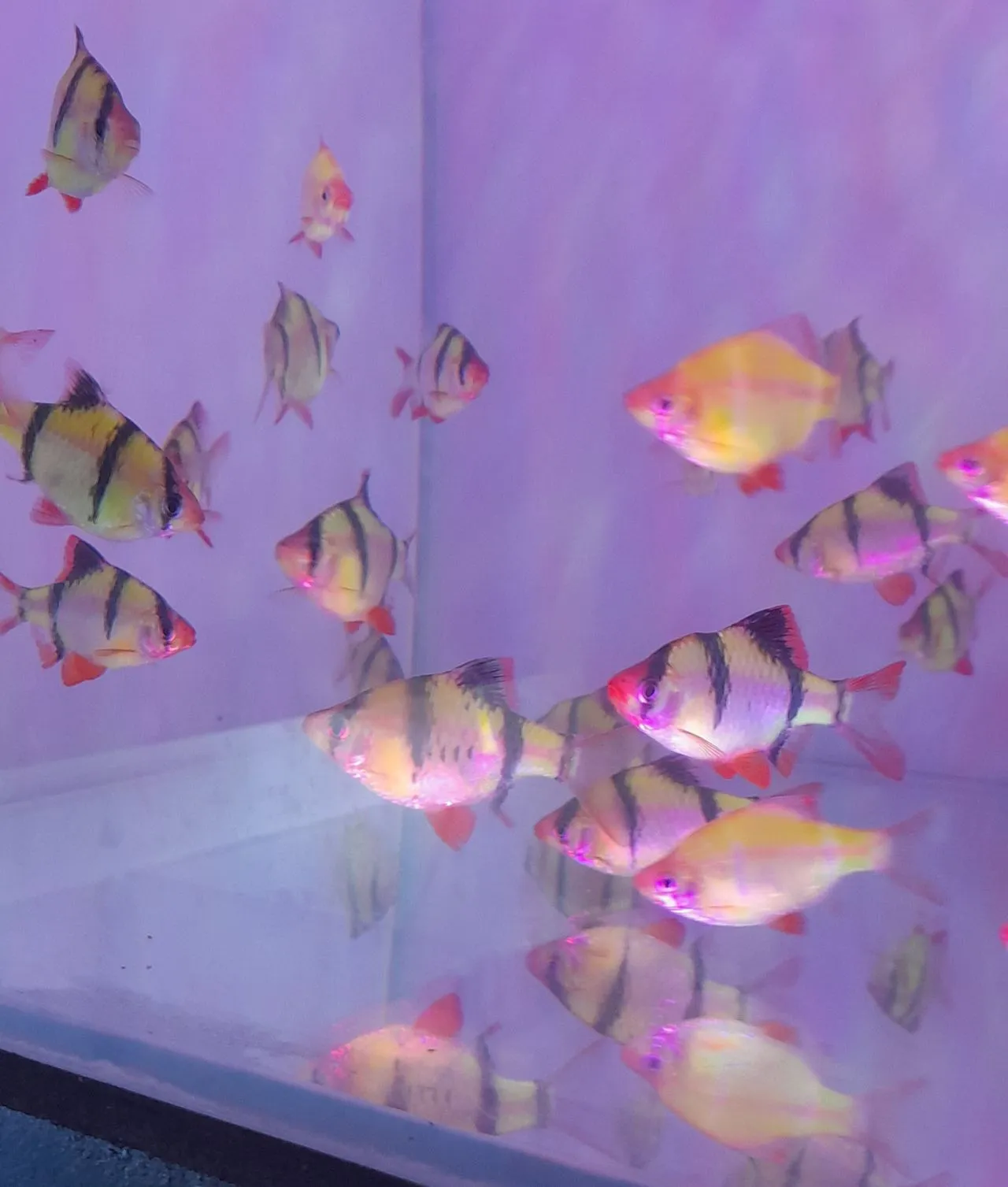
The Complete Barbs Guide (Cyprinidae): Shoals & Care
Scientific and practical reference to aquarium barbs: modern Cyprinidae taxonomy, barbel anatomy, shoaling behaviour, water chemistry.
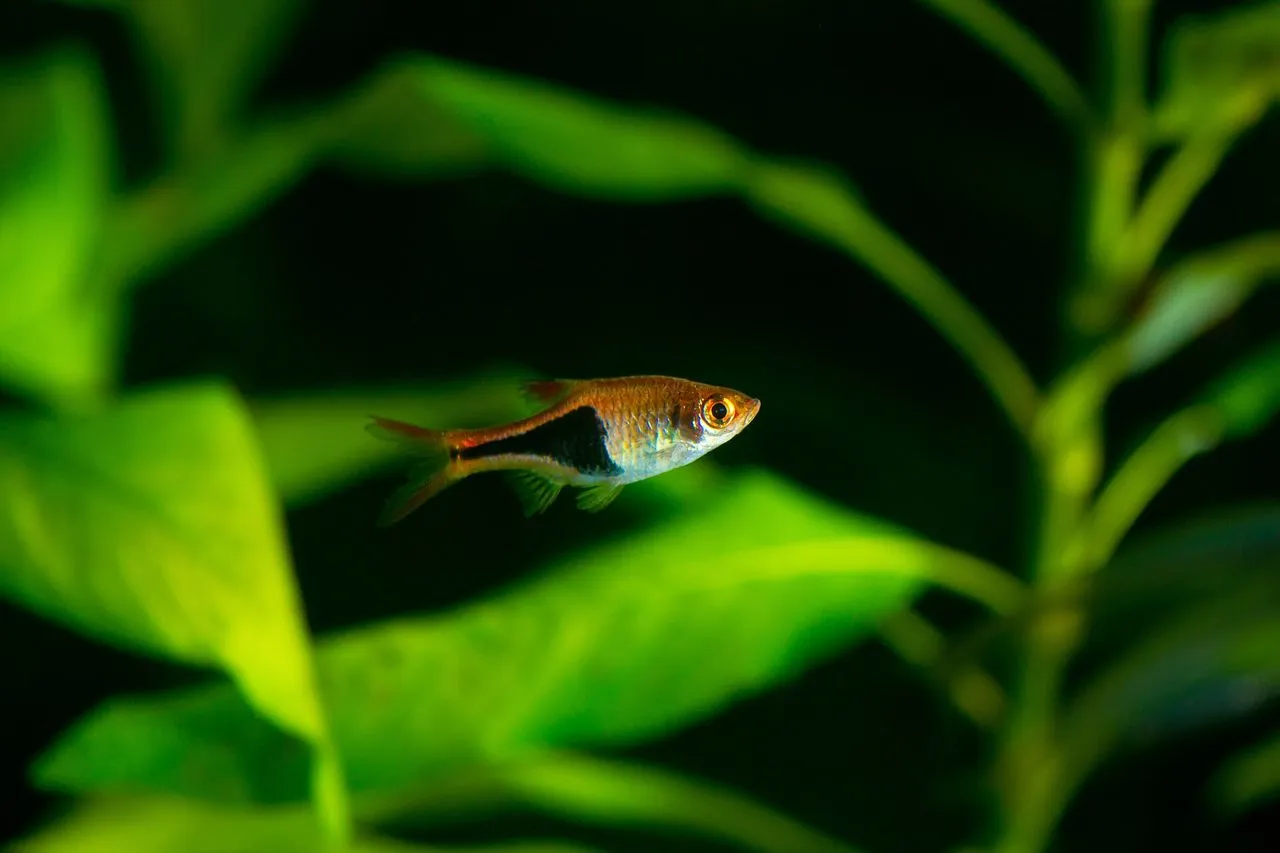
The Complete Rasboras & Danios Guide: Danionidae Care
Reference guide to rasboras and danios: Danionidae taxonomy, blackwater chemistry, shoaling behaviour, nano species, and aquarium husbandry.